The trucking industry is the backbone of the global economy, responsible for transporting goods and materials to destinations near and far. In order to efficiently haul heavy equipment and machinery, specialized trailers are required. One such trailer that has become increasingly popular in recent years is the beavertail flatbed.
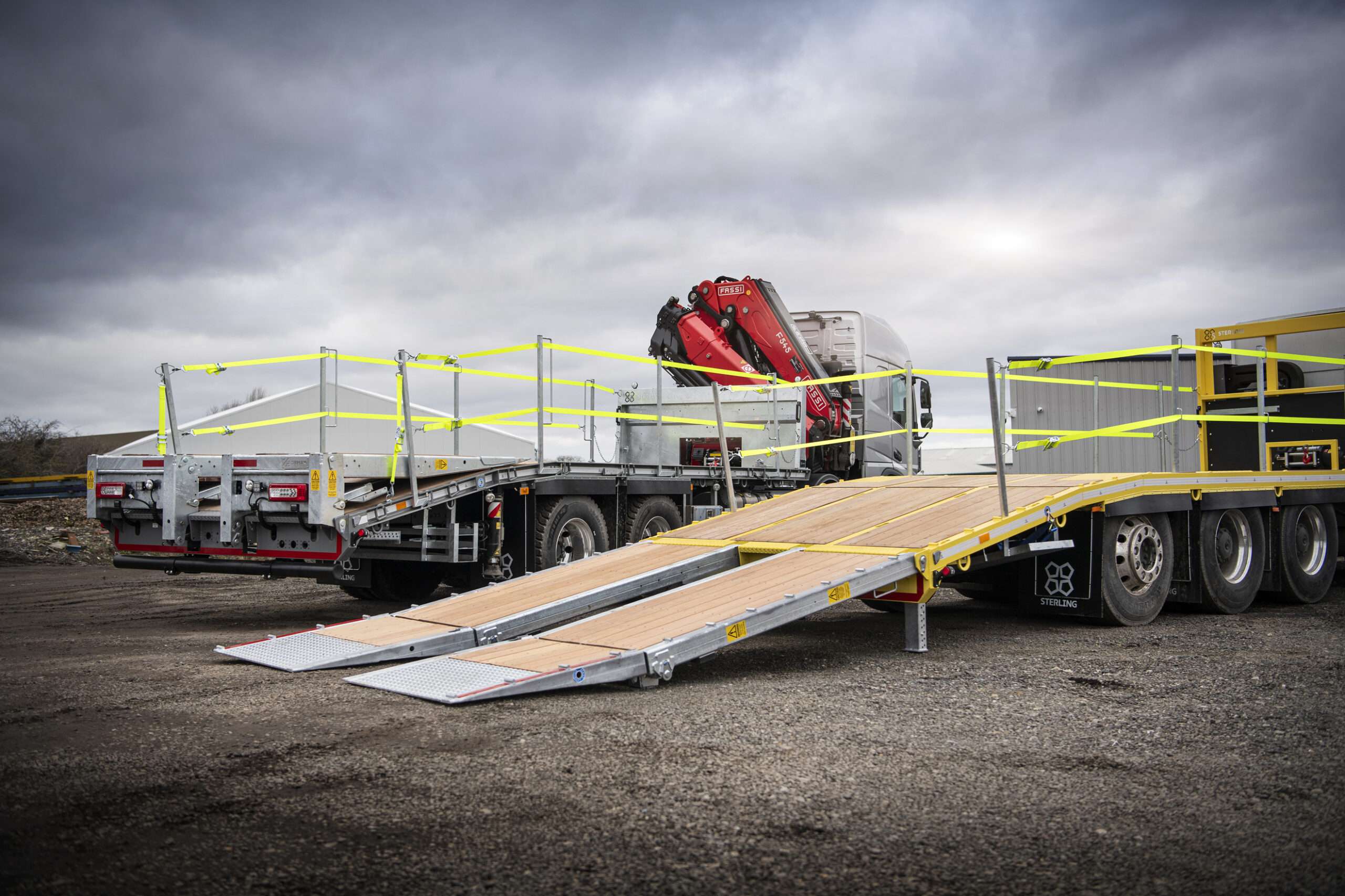
The beavertail flatbed, also known as a lowboy or drop deck trailer, is a type of trailer that features a lowered rear section that slopes down towards the ground. This design allows for easier loading and unloading of heavy equipment, as well as providing additional clearance for taller cargo. The “beavertail” term comes from the shape of the trailer’s rear section, which resembles the tail of a beaver.
One of the main advantages of using a beavertail flatbed is its versatility. These trailers can be used to transport a wide variety of heavy equipment, such as construction machinery, agricultural equipment, and oversized loads. The sloped rear section of the trailer makes it easier to drive heavy equipment onto the bed, reducing the risk of damage and increasing efficiency.
Another key benefit of using a beavertail flatbed is its increased safety features. The low center of gravity provided by the lowered rear section helps to stabilize the trailer and reduce the risk of tipping over. Additionally, many beavertail flatbeds come equipped with ramps and tie-down points to secure cargo during transport, further enhancing safety.
In addition to their practical benefits, beavertail flatbeds are also highly customizable. Trucking companies can choose from a variety of sizes and configurations to best suit their needs. Options such as hydraulic ramps, deck extensions, and winches can be added to enhance the capabilities of the trailer and make loading and unloading even easier.
One of the most commonly seen uses of beavertail flatbeds is in the construction industry. These trailers are ideal for transporting heavy construction equipment such as excavators, bulldozers, and cranes to and from job sites. The easy loading and unloading capabilities of the beavertail flatbed make it a popular choice among construction companies looking to streamline their operations.
The agricultural industry also benefits greatly from the use of beavertail flatbeds. These trailers are perfect for hauling large farming equipment such as tractors, combines, and seeders. The low deck height and sloped rear section of the trailer make it easy to drive heavy machinery onto the bed, saving farmers time and effort during the busy planting and harvesting seasons.
Another industry that heavily relies on beavertail flatbeds is the transportation of oversized loads. These trailers are often used to haul items such as industrial equipment, oversized tanks, and large machinery components that are too big to fit on a standard trailer. The beavertail design provides the additional clearance needed for taller cargo, making it the ideal choice for transporting oversized loads safely and efficiently.
Overall, beavertail flatbeds have revolutionized the way heavy equipment is transported in the trucking industry. Their versatility, safety features, and customizability make them a valuable asset for companies looking to streamline their operations and improve efficiency. Whether hauling construction equipment, agricultural machinery, or oversized loads, beavertail flatbeds are the solution for getting the job done right.
In conclusion, the use of beavertail flatbeds has become increasingly common in the trucking industry due to their numerous benefits and practical applications. From construction sites to farms to oversized load transport, these trailers are changing the way heavy equipment is moved from place to place. With their versatility, safety features, and customizable options, beavertail flatbeds are a valuable asset for companies looking to enhance their transportation capabilities.